Blog
Small Dog Breeds That Don’t Bark (12 Pups for Peaceful Homes)

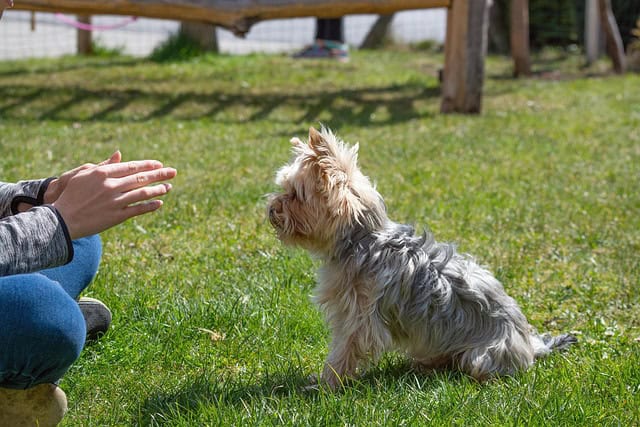
If you have kids, a busy schedule, or neighbors who can hear a pin drop through the wall, you’ve probably typed some version of “small dog breeds that don’t bark” into Google at least once. Same.
I’ve spent years writing about small dogs (especially Yorkies) and talking to owners who love dogs… but don’t love living with nonstop barking. And here’s the honest truth: no breed is truly silent. Barking is normal dog communication, and you’ll always get some noise. Even the quietest pup will bark when they’re startled, excited, or trying to tell you something.
But… there are dogs that bark the least, and they can make a huge difference in how peaceful your home feels.
This guide is for families who want:
- a calmer, lower-noise companion
- quiet dog breeds that fit apartment or house life
- small dogs that don’t bark all day long
- realistic expectations (no “perfect unicorn dog” promises)
I am sure that you’ll find one of your favorite dog breeds on this list. These small dogs that don’t bark are perfect picks for families who want an obedient pet.
What “Dogs That Don’t Bark” Really Means (and Why It Matters)
When people say dogs that don’t bark, they usually mean:
dogs that don’t bark excessively, don’t “alarm bark” at every tiny sound, and don’t spiral into barking fits that wake the baby or stress everyone out. I remember when my friend had a baby, I asked her how she would manage living in a small apartment with two dogs. Given that she had two poodles—a mother and her daughter—she really did have problems with them during the first few months.
Therefore, breed matters, but so does:
- socialization
- daily routine
- mental stimulation
- separation anxiety
- and whether the dog has learned that barking = attention. My friend’s poodles used to bark constantly because they became jealous of the baby.
One note I repeat constantly after seeing it play out in real homes: a “quiet breed” + boredom can still equal noise.
Many people don’t know that the Basenji is the famous exception—often called “barkless”. It doesn’t bark in the typical way and makes yodel-like sounds instead.
Quick “Real Life” Check: How I Think About Barking in Family Homes
In my experience talking to families, the biggest barking triggers aren’t “bad dogs.” They’re usually predictable:
- Doorbell chaos (kids running, excitement spiking). As my friend’s baby grew and started to walk, her dogs followed her everywhere, running around and barking. Although it looked like play at first, this behavior from her dogs gradually turned into a somewhat aggressive reaction.
- Window patrol (dog sees people, dogs, delivery trucks). Every dog will want to warn its owner about a potential danger or an “unexpected” guest.
- After-school energy (the dog mirrors the household). This includes copying the child’s behavior and their hyperactivity.
- Being left alone suddenly (especially companion breeds). Dogs like French Bulldogs can really start to suffer from separation anxiety. That’s why it’s very important to practice gradually spending time alone.
So while this list focuses on small dog breeds that don’t bark, I’ll also share what typically helps keep each one quiet in a family setting.
The 12 Best Small Dog Breeds That Don’t Bark Much
1) Cavalier King Charles Spaniel
If you want a sweet, family-friendly dog that’s usually gentle and low-drama, Cavaliers are a go-to. They were bred as companions, and many are naturally soft, snuggly, and not “on guard” 24/7.
What I’ve seen in family settings: Cavaliers often don’t bark unless something actually changes (door knock, unusual noise), and even then, it’s typically brief.
Best for: families who want an affectionate dog that adapts to home life.
Keep them quieter by: preventing loneliness (they can get clingy) and giving daily walks + simple enrichment.

2) Basenji (the famous “barkless” dog)
Basenjis are widely known as Africa’s “barkless dog.” They don’t bark normally, but they do vocalize with a yodel-like sound (sometimes called a “baroo”).
Family reality check: They’re quiet in the barking sense, but they can be independent, clever, and stubborn—not always the easiest “first family dog” unless you enjoy training challenges.
Best for: families who want a quiet dog and can commit to exercise + training consistency.
Keep them quieter by: giving structured activity (a bored Basenji won’t bark much… but may invent other chaos).
3) French Bulldog
Frenchies are often described as lower-barking dogs—many owners say the main “noise” is snorting and snoring, not barking. (They’re not universally silent, but many are among the dogs that bark the least.)
What I notice with families: Frenchies usually want to be near you. They tend to bark less because they’re not constantly “working” the windows or reacting to every sound.
Best for: families who want an affectionate, compact dog with moderate exercise needs.
Keep them quieter by: not leaving them alone too long (separation stress can trigger barking).
4) Pug
Pugs are usually more into cuddling than guarding. They’re often listed among quiet dog breeds because they typically bark only when something is meaningful (door knock, excitement, attention).
Family reality: pugs can be very social and thrive with kids around.
Best for: families who want a playful, sweet dog that fits smaller spaces.
Keep them quieter by keeping routine consistent. Pugs can get vocal if they learn barking is equal to snacks or attention. Therefore, my recommendation is to perform each activity at the same time. Do not let them spend a lot of time alone, otherwise, they can become anxious and destructive.

5) Shih Tzu
Shih Tzus are classic companion dogs—many are calmer than people expect. They might alert-bark briefly, but often settle quickly with proper socialization. In my opinion, Shih Tzus are one of the best dogs for families with small kids.
What I’ve heard repeatedly from owners: the Shih Tzu bark issue usually comes from habits (“we laugh when he barks,” “we pick him up when he barks,” etc.), not from unstoppable breed wiring.
Best for: families who want a gentle lapdog.
Keep them quieter by: teaching a simple “thank you” cue (acknowledge the alert, then redirect).
Also: if you care about low shedding too, I recommend you to read my blog about best small dog breeds that don’t shed.
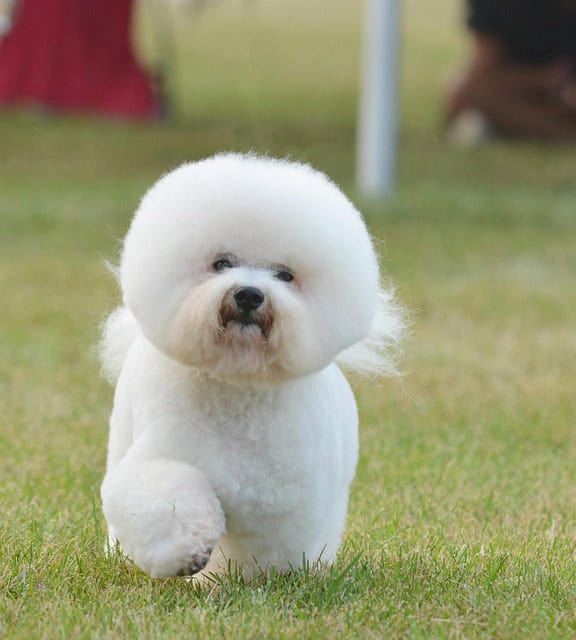
6) Bichon Frise
Bichons are cheerful, friendly, and often less yappy than the stereotypical tiny dog. Many families love them because they’re social and not usually sharp, reactive barkers.
Family reality: they do best when included—Bichons can bark more if they feel ignored or under-stimulated. From personal experience, I know that these dogs require interaction with their owners. They love being involved in different activities and being part of the family.
Best for: families who want a playful dog that often does well with kids. I witnessed dozens of families where Bichons go with kids very well.
Keep them quieter by: short daily training games (Bichons love learning when it’s fun).
7) Havanese
Havanese are “people dogs.” Many will alert-bark, but they’re often responsive to training and settle easily when they feel safe and included.
What I notice: Havanese households are quietest when the dog has a predictable routine and doesn’t spend long hours alone. In order to behave obediently, you’ll need to stick to the strict schedule of eating, walking and playing. In that way, your dog will know that he/she will get enough dose of activity and play.
Best for: families who want a companion that’s affectionate and adaptable.
Keep them quieter by: preventing “watchdog by boredom” (window barking happens fast in this breed if they’re under-stimulated). My neighbors’ Havanese dog loves watching passersby, and I often see him sitting by the window, curiously observing other animals and people.
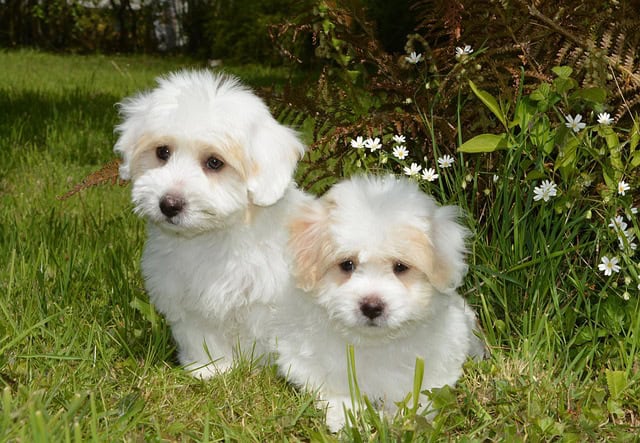
8) Coton de Tulear
Cotons often fly under the radar, but they’re frequently described as gentle, easygoing, and calm at home.
Family reality: they’re playful with kids but generally not intense barkers.
Best for: families who want a friendly, lower-noise dog.
Keep them quieter by: socializing early—Cotons do great when they learn “new people = normal.” That’s why it’s very important to include your dog in everyday activities as much as possible. You can take them to a pet-friendly shopping mall, café, or other places where dogs are allowed.
9) Japanese Chin
Japanese Chins are one of the most “cat-like” small breeds—often quiet, observant, and low on unnecessary noise.
What I’ve seen in calm homes: they often mirror the environment. Quiet house, quiet dog.
Best for: families with gentle kids or a calmer household.
Keep them quieter by: managing overstimulation—too much chaos can stress smaller, sensitive breeds.
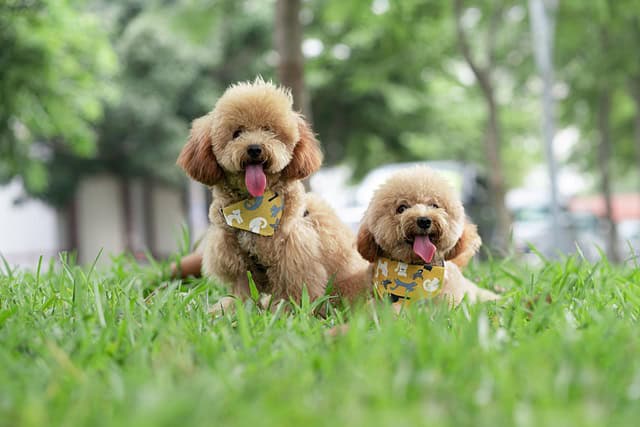
10) Toy Poodle
Toy Poodles are smart, trainable, and can be very polite barkers when taught. They’re not “naturally silent” like a Basenji, but they often end up among the dogs that bark the least because training works so well on them.
Family reality: their intelligence is a superpower… and a liability if you don’t give them outlets.
Best for: families who like interactive dogs (tricks, games, learning).
Keep them quieter by: daily brain work (5–10 minutes of training beats 30 minutes of begging them to stop barking).
11) Maltese
Maltese can vary—some are quiet, some are more alert. In many families, the difference comes down to early socialization and whether they learn that barking gets results.
Best for: families wanting a small companion dog with a gentle vibe.
Keep them quieter by: teaching calm greetings and limiting “doorbell drama” (this is where Maltese barking habits often form).
12) Yorkshire Terrier (Yorkie) — Yes, Really (with the right approach)
Yorkies have a reputation for barking, so why include them? Because in real households, I’ve seen Yorkies become surprisingly quiet when:
- they’re well-socialized
- they’re not “window security” all day
- they get a routine
- and barking isn’t accidentally rewarded
If you already have a Yorkie (or you’re a Yorkie person), you don’t necessarily need to abandon the breed. You need a plan.
If you’re building a multi-dog home and want a calmer match, then I recommend you to read the following blog post: What dogs Go Well With Yorkies?
How to Make Any Breed Quieter (Family-Friendly Version)
Here’s what consistently works in real homes:
Teach “Thank You, That’s Enough”
When your dog alert-barks:
- calmly acknowledge: “Thank you.”
- ask for a simple behavior: “come” or “sit”
- reward the quiet moment
This prevents “bark until mom screams” becoming the pattern.
Prevent Window Patrol
If your dog barks at everything outside:
- close blinds during peak activity times
- use a baby gate to limit access
- give a chew or food puzzle during “delivery hours”
Barking Is a Symptom, Not a Personality Flaw
Barking spikes when dogs are:
- under-exercised
- overstimulated
- anxious
- or reinforced (attention = reward)
I always remind myself—and other dog owners—that barking isn’t a personality flaw, but a signal. When a dog suddenly starts barking more, I first look at what might be missing: enough exercise, mental stimulation, or a sense of calm. In my experience, barking often increases when dogs are under-exercised, overstimulated, anxious, or when they’ve learned that barking brings attention. Instead of correcting the behavior immediately, I focus on addressing the underlying cause.
Choosing the Best Quiet Dog for Your Family
Ask these before choosing a breed:
- Do we want a dog that’s okay with kid energy, or one that prefers calm?
- How many hours will the dog be alone?
- Do we want low shedding too?
- Are we willing to train (even a little)?
Because the best match for a family isn’t the “quietest breed on paper.”
It’s the dog whose needs you can meet—so they don’t have to scream (bark) to cope.
Wrap-Up: The Best Dogs That Bark the Least (in Small Sizes)
To recap: small dog breeds that don’t bark (much) do exist—but “quiet” is a mix of breed tendencies + lifestyle + training. If you want the most reliably low-barking experience, your top contenders are usually:
And if you’re a Yorkie lover, it’s still possible to build a calmer household—you just need to be intentional.