Blog
Why Is My Yorkie Limping on Back Legs? 8 Common Reasons


If your beloved Yorkie is limping, you’re definitely concerned. Seeing your Yorkie limping on back legs can happen for many reasons. To help your dog walk normally and feel well, there are activities that can help in easing symptoms.
A limp in a small dog’s hind leg can happen for many reasons. In young Yorkies it might signal a hip bone problem, while in older dogs it could be arthritis or an injury.
On the other hand, a sudden limp often means an acute injury or tear. Knowing the possible causes can help you decide what to do next.
Common Causes of Yorkie Limping
There are several common causes of a Yorkie limping in the back leg. These often include injuries, joint issues, and other health problems. Some of the main causes are:
1. Trauma or Injury
Accidents like jumps, falls or landing awkwardly can sprain or strain your Yorkie’s leg. Even a minor slip or twist can cause Yorkie limping. These incidents can sprain muscles or ligaments, or even cause small fracturess. Check for swelling or cuts, and keep your dog rested if you suspect an injury.
2. Luxating Patella (Kneecap Slip)
Tiny breeds like Yorkies are prone to kneecap dislocation. The kneecap (patella) can slip out of place, causing pain and Yorkie limping. The American Kennel Club notes that toy breeds such as Yorkshire Terriers often suffer from this condition. A dog with a luxating patella may suddenly hold the leg up, skip a few steps, or hop along.
3. Legg-Calve-Perthes Disease
This is a hip problem seen in young Yorkies. One femur head (hip ball) loses blood flow and deteriorates, leading to pain. Often the only early sign is Yorkie limping in one back leg. In fact, a slight limp involving one of the hind legs that worsens over 3–4 weeks is a classic symptom. The limp will progress to the point where the dog won’t put weight on that leg. If your Yorkie puppy has this, prompt vet care is needed.
4. Ligament Injuries (e.g. Torn CCL/ACL)
A tear in the knee ligaments causes sudden, severe limping. For example, a ruptured cranial cruciate ligament is a painful injury that makes a dog “suddenly start limping on one of its back legs”. Your Yorkie may refuse to put weight on the leg, or hold it up. This injury needs a vet’s attention.
5. Arthritis (Degenerative Joint Disease)
Older Yorkies commonly develop arthritis in their hips, knees or ankles. Over time, worn cartilage causes pain and stiffness. This typically leads to gradual Yorkie limping as the joints become inflamed. You might notice your dog slowing down, especially after exercise or in cold weather.
6. Hip Dysplasia (Rare in Yorkies)
Though less common in small breeds, misaligned hip joints (hip dysplasia) can occur. This genetic issue is common in Belgian Malinois and German Shepherds, and means the hip socket and ball don’t fit well, causing pain and Yorkie limping, especially after activity.
7. Paw and Nail Problems
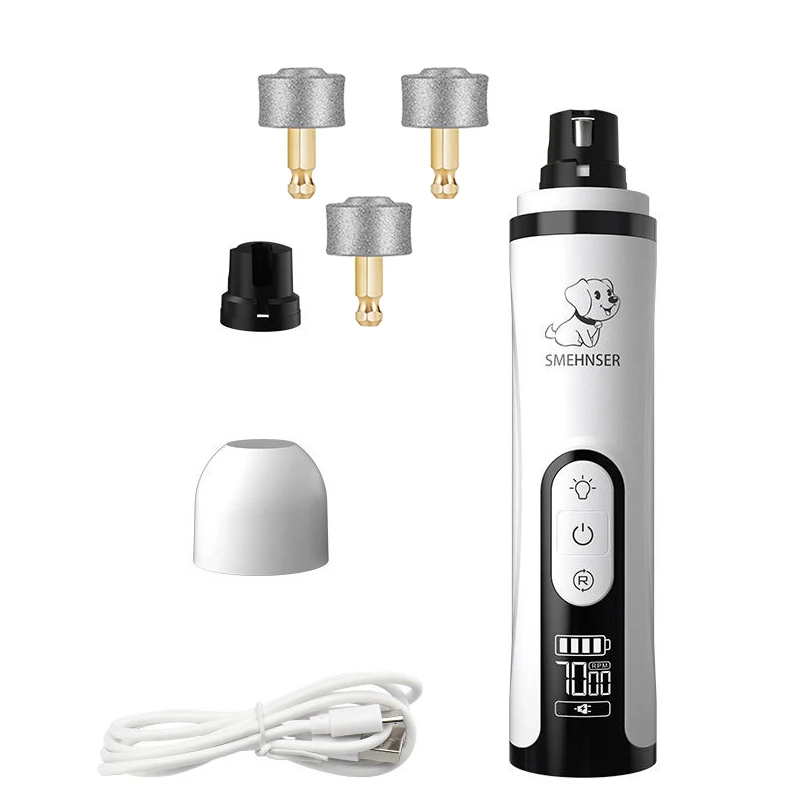
Sometimes the cause is simple – a thorn, burr, or broken nail can make a Yorkie limp. Carefully check the paw pads and between toes for foreign objects. Even swelling or infection around a pad or nail will cause lameness. Regular nail trimming is especially important because it will prevent mobility issues in your pet. When you hear your dog’s nails clicking on the floor, make sure you trim them with a nail grinder.
8. Infections or Tick-Borne Diseases
Tick bites (Lyme disease, for example) can cause joint infection. A dog with Lyme may suddenly develop a painful, shifting limp (sometimes moving from leg to leg). If you live in a tick-prone area and your Yorkie has a fever or swollen joint, mention Lyme to your vet.
Each of these can cause Yorkie limping in one or both back legs. Hip and knee issues (like luxating patella or Legg-Calve-Perthes) often affect just one leg at first. Injuries and arthritis can affect either side. If the limp comes on suddenly after play or jumping, think injury or ligament tear; if it’s slow, think arthritis or a developing bone problem.

What to Do if Your Yorkie Is Limping?
If your Yorkie starts limping, quick care can make a big difference. The first steps to take (in many cases of what to do if dog is limping back leg) are:
Restrict activity and rest
Limit running, jumping or stairs. Carry your Yorkie up and down stairs or outside to potty. Very strict rest (sometimes in a crate or small room) helps healing. For serious conditions veterinarians may even recommend crate rest for weeks to months.
Examine the leg and paw
Gently look over the leg, foot and pad. Feel for swelling, warmth, or pain spots. Check between the toes and pads for foreign objects (grass seeds, stickers, thorns). A tiny cut on the pad can cause limping. Remove any debris and clean cuts with mild soap and water.
Cold or warm compress
If the limb is swollen or very painful, a cold pack (wrapped in a cloth) applied for 10–15 minutes can reduce inflammation. If the leg is stiff but not hot, warm (not hot) compresses or a short warm soak can relax tight muscles. For example, bathing your Yorkie’s hind end in warm water can dilate blood vessels and ease muscle/joint pain. (Always dry your dog thoroughly afterward.)
Pain relief (vet-approved only)
Never give human pain meds to dogs. If your Yorkie is obviously in pain (crying, whimpering, reluctant to move), call your vet. They may prescribe a safe anti-inflammatory or pain reliever. Never self-medicate with aspirin/NSAIDs meant for people.
Monitor for 24 hours
Often an acute soft tissue injury will improve with rest. Give your Yorkie a day of quiet and see if the limp lessens. However, if the limp worsens or doesn’t start improving in a day, seek veterinary help. Any sudden limping that doesn’t resolve quickly should be checked by a vet.
Natural Remedies and Exercises For Yorkie Limping
Along with medical care, there are natural and supportive remedies to help a limping Yorkie feel better and strengthen its legs:
Warm baths and massages
A warm bath can soothe aching muscles and joints. Hot water dilates blood vessels and relaxes joints and muscles, which eases aches. You can gently massage your Yorkie’s leg, hip and back to improve circulation (stop if any area seems painful). Massaging the calf muscles and thigh can help reduce stiffness and discomfort.
Hydrotherapy (swimming/water treadmill)
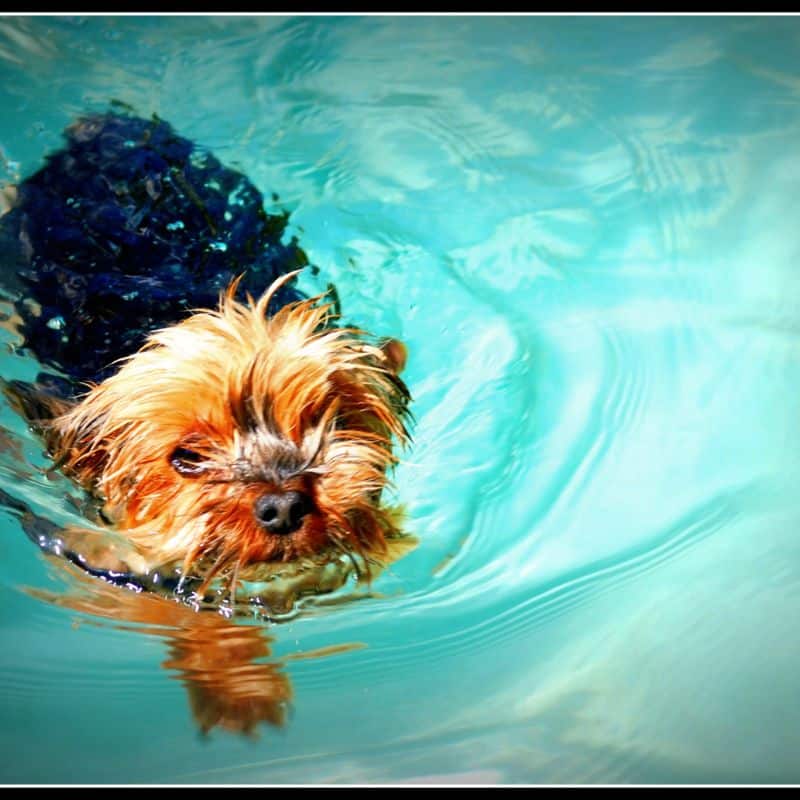
Low-impact exercise like swimming is excellent for a recovering limping dog. Water supports the body and relieves pressure on sore joints while letting muscles strengthen. Veterinarians recommend underwater treadmills and supervised swims for dogs with orthopedic issues. Always start slowly: a few minutes of shallow-water walking, gradually building up as your Yorkie improves. Besides, you can put one of our Yorkie life jackets on your pooch to give him/her additional support in the water.

Joint supplements
Even though Yorkie limping may resolve, consider supplements for joint health. For chronic issues like arthritis or after surgery, supplements containing omega-3 fatty acids (fish oil) and glucosamine-chondroitin can support healing and comfort. For example, one Yorkie care guide suggests adding Omega fatty acids (EPA/DHA) and glucosamine/chondroitin to help canine joints. These won’t cure injuries but may help reduce inflammation over time. Always talk to your vet before starting supplements.
Maintain a healthy weight.
Extra pounds put more stress on joints and can worsen a limp. As one vet site emphasizes, weight management is prime for arthritic dogs. Even a small Yorkie can suffer strain if overweight. Feed a balanced diet and avoid overfeeding treats. A lean Yorkie will recover faster and be less likely to re-injure its leg.
If your Yorkie has been limping, gentle exercise can help prevent muscle loss. Short, leashed walks (if not painful) maintain strength. Just be sure to avoid rough play until the leg is healed. Swimming or supervised play in shallow water can be both safe and fun exercise as the dog recovers.
Preventing Future Leg Problems in Yorkies
Once your Yorkie’s limp is resolved, there are steps you can take to keep those back legs strong and healthy. Strengthening and protecting the joints can prevent recurrence:
Exercise regularly (safely)
Daily walks on even surfaces help build muscle tone around hips and knees. For Yorkies, avoiding slippery floors or high jumps is wise to prevent injuries. Balance playtime with rest. If you own a senior Yorkie, then you can put dog stairs beside your bed to prevent it from jumping.
Maintain Good Muscle Tone
Low-impact activities like walking on grass or soft ground are easier on joints than hard pavement. Puppy-level agility or fun activities (like fetching on soft ground) can help, but ensure any jumping or sharp turns are minimized.
Grooming and Coat Care
Keep the hair between the paw pads trimmed, so nothing pulls or irritates the feet during walks. Also, inspect pads regularly for cuts or infections. This helps prevent small injuries that can lead to limping.
Prevent Obesity
Continue feeding a high-quality diet in proper portions. Small Yorkies can easily gain weight, so measure food and limit treats. A fit Yorkie has less strain on its back legs. If your dog starts to get a round shape of the body, then you should put him on a different diet immediately. Decrease calories and do not feed your pooch with treats. If you need to reward your pet, then separate a certain amount from his daily meals for rewarding.

Joint Supplements (long-term)
In some cases (especially older Yorkies or those with previous injury), a maintenance dose of joint supplements can be helpful year-round. This should be done under vet guidance.
Being proactive about your Yorkie’s leg health means less chance of yorkie back leg problems later. For example, if you’ve read about yorkie back leg issues, you’ll know that keeping the hips and knees strong is key. That includes not letting your Yorkie play on slippery floors or jump off furniture too much, which can help avoid injuries.
Yorkie Limping on Back Legs: Wrapping Up
A Yorkie limping on a back leg can be scary, but many causes are treatable. Minor injuries often heal with rest, while conditions like luxating patella or cruciate tears require vet care. Always check your dog’s paw and leg for obvious issues first, and keep them rested and calm. Home comforts like warm soaks and gentle massage can ease discomfort, and swimming helps rebuild strength.
Most importantly, don’t delay professional help if the limp doesn’t improve or is severe. As veterinary sources emphasize, persistent limping (over a day) or inability to bear weight means “contact us right away”. With prompt care and the right supportive measures, you’ll help your Yorkie heal and get back to playing.
Remember the key steps: monitor the limp, provide comfort (warm baths, limited exercise, good nutrition), and consult your vet for diagnosis. By addressing the issue early – even if yorkie limping back leg no pain – you give your dog the best chance for a full recovery and strong future mobility.