Blog
Why is My Yorkie’s Skin Turning Black?

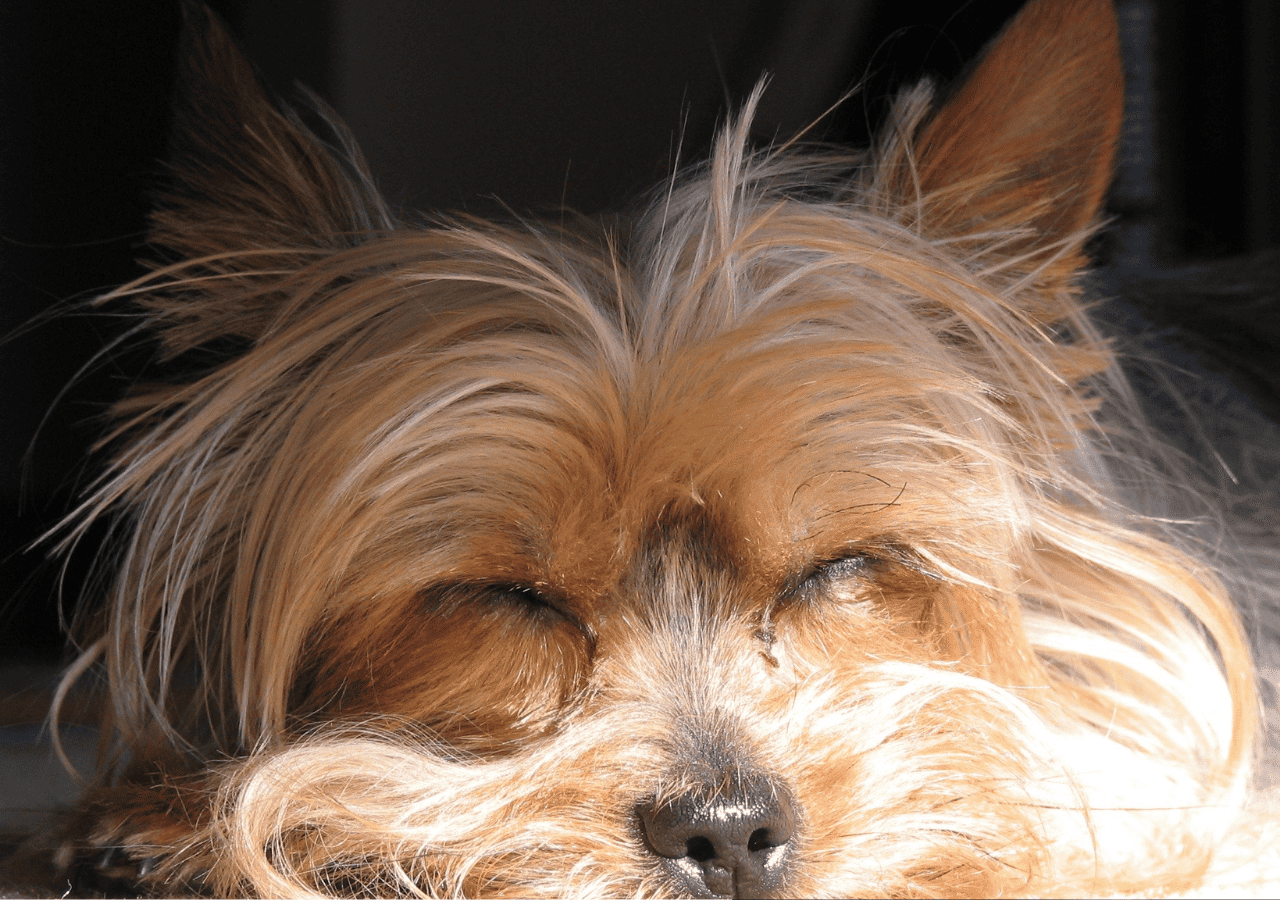
Is your Yorkie’s belly or coat suddenly dotted with black patches or dark marks? It can be alarming to see your little dog’s skin going from pink to gray or black. First, relax – this is usually hyperpigmentation (excess pigment) rather than anything contagious. In plain language, your Yorkie’s skin is simply producing more melanin (the pigment that makes skin dark), much like a tan in people. Let’s break down why is Yorkie’s skin can turning black, what “Yorkie black skin disease” really means, and what you can do to help your pup.
Hyperpigmentation appears as dark patches on a Yorkie’s skin – they may be brown, gray, or black spots or splotches. The skin in these areas often feels thicker or “velvety” to the touch. You might also notice related signs like hair thinning or loss over the spots, itchiness, flaking, or even a foul smell if yeast or bacteria are involved.

In many cases, the hair will be missing in the dark areas, so you literally see hairless and dark patches on a Yorkie’s skin. Thankfully, this usually isn’t painful or dangerous in itself, but it is a signal that something is going on under the surface.
A convenient way to think about it is that hyperpigmentation is a symptom, not a disease. Your vet will look for what’s triggering it. Often it’s something inflammatory – allergies or infection – and the skin darkens as it’s been irritated over and over. Other times it’s genetic. The term Acanthosis Nigricans (Latin for “thickening and becoming black”) comes up here. True Acanthosis Nigricans is a rare inherited condition seen mainly in Dachshunds.
Dachshunds develop thick, dark velvety patches in the armpits and groin early in life due to a genetic mutation. In Yorkies, we don’t usually see that classic form, but they can have post-inflammatory hyperpigmentation – essentially the same skin changes caused by chronic skin problems. In other words, Yorkies don’t have their own special “black skin disease” in the genetic sense.
Owners sometimes call it Yorkie black skin disease, but medically we’d describe it as hyperpigmentation or melanoderma. In Yorkies and similar breeds (like Silkies), there’s something called melanoderma that causes darkening, especially of the ears, often along with hair loss.
Key takeaways so far
Dark marks on a Yorkie’s skin are usually hyperpigmentation (extra pigment). It’s not contagious. It often comes with hair loss or thickened skin. Sometimes a vet might call it acanthosis nigricans, but that term strictly refers to a rare genetic form in Dachshunds. For Yorkies, it’s more about a response to skin irritation (allergies, infections, etc.) or other underlying issues.
Common Causes of Dark Skin in Yorkies
Yorkies can develop black or dark skin patches for a number of reasons. Here are the big ones:
Allergies and Chronic Irritation
This is actually very common because Yorkshire terriers are prone to allergies. If your pooch scratches or licks the same spots for months, or has recurring yeast or bacterial infections, then you should react fast. Over time, that ongoing irritation and inflammation causes pigment to build up. Examples include atopic dermatitis (environmental allergies), food allergies, flea allergy, or contact dermatitis (like from an irritant). Chronic ear infections can also cause dark skin on flanks or underbelly.
Skin Infections and Parasites
Yeast (Malassezia) or bacteria living on the skin can make the skin red, itchy and then darken as it thickens. The key thing to know about the yeast is the smell. Yeast produces a popcorn or cheese smell on a dog’s skin.
So, if your Yorkshire terrier starts to smell strange, then you should treat it with antimycotic cream and shampoo. However, you should not use these products on your own. It’s important to know that even parasites like demodectic mange will cause similar changes. If your dog has a ringworm, after it clears, you may be left with a brownish spot.
Endocrine (Hormonal) Disorders
Hormone imbalances can lead to hyperpigmentation. For example, hypothyroidism and Cushing’s disease often have secondary skin changes, including dark patches. Pseudo-Cushing’s syndrome or hormone imbalances after spay/neuter can also play a role. Often there are other clues (lethargy, weight change, thirst) if hormones are involved.
Frictions and Folds
If a Yorkie has skin folds or is overweight, constant rubbing can trigger pigmentation. Even snug collars or harnesses can darken the skin under them over time. Even though it’s strange for a yorkie to have folds, it can develop black or dark skin under armpits in case of obesity.

Sun Exposure
If areas are shaved or hairless (for instance after grooming), sun can darken the exposed skin. Hairless breeds naturally tend to have darker skin because it’s unprotected from the elements. A Yorkie with a shaved belly may similarly tan or even sunburn a bit. Therefore, our recommendation is to always put a protective mesh vest and an UV sunscreen spray on your pooch when walking in hot weather.
Genetics (Primary Hyperpigmentation)
Besides Dachshund-type acanthosis nigricans which are rare in Yorkies, there are breed-related alopecia (hair loss) syndromes. For example, color-dilution alopecia in blue/grey Yorkies can cause thinning fur and dark skin. However, true alopecia X (the classic “black skin disease” of Pomeranians and Malamutes) is uncommon in Yorkies.
Other Causes
Less commonly, immune diseases (like lupus) or even tumors under the skin can darken skin. These are rare, but listed in vet references as possible causes. Always monitor if other symptoms develop.
Other Breeds That Get Dark Skin
You might wonder: Is this a Yorkie-only thing? Not at all. Many breeds can have similar pigmentation issues. For example:
- Dachshunds: Classic for genetic acanthosis nigricans. If your Yorkie’s mix is part Dachshund (a “Dorkie”), AN might show up.
- Dogs Prone to Allergies: Breeds like Labrador Retrievers, Golden Retrievers, Dalmatians, German Shepherds, Boxers, and Terriers (West Highland, Jack Russell, etc.) are frequently itchy and can develop hyperpigmented skin over time. The Zoetis article lists Yorkies among terriers that get allergies, and many of the allergy-prone breeds will end up with dark skin.
- Bulldogs, Pugs, Shar-Pei: Short-coated breeds with skin folds often get chafing and pigmentation in folds, and obesity in some can worsen it.
- Hairless Breeds (Chinese Crested, Xoloitzcuintli, Mexican Hairless): These naturally have dark skin (often brown or black) because it’s unprotected. They’re not “ill” — just born with more pigment.
- Coat Color-Related Alopecias: Breeds with dilute coats (blue, gray) like certain Dachshunds, Chihuahuas, or Australian Shepherds may get thinning fur and dark skin (color dilution alopecia) which looks similar.
- Nordic/Fluffy Breeds: Siberian Huskies, Alaskan Malamutes, etc., often get alopecia X (“black skin disease” syndrome) as adults. Their belly or legs get bald and black. Again, this is alopecia X rather than Yorkie hyperpig—but it’s the same appearance of black skin.
Symptoms of Yorkie’s Skin Turning Black: What to Watch For
- Dark Patches or Spots: You’ll notice the skin turning gray, brown, or black. These patches may be velvety or rough in texture (lichenified).
- Hair Loss: Often the hair in the patch falls out or thins and leaves hairless dark areas. For example, Yorkie ears may lose hair and turn dark (melanoderma).
- Itching or Skin Changes: Does your Yorkie scratch those areas a lot? Chronic redness, flaking or an oily crust can accompany dark patches. Yeasty or bacterial infections often smell musty or look greasy. If your Yorkie’s skin become oily only in a few days after bathing, then you should discover the underlying trigger. Your dog probably developed seborrhea or some of the previously mentioned conditions.
- Other Signs: Sometimes you’ll see dandruff or scaling or patches of very thickened skin. Systemic signs (more thirst, lethargy, weight gain) suggest hormonal causes.
If your dog has only coloration changes with no itching or other problems, it’s just a cosmetic issue. But if there is hair loss, odor, rash or your dog is uncomfortable it’s time to see a vet. If the hyperpigmentation comes with itching, hair loss, stinky smell or systemic signs (excessive thirst) it’s vet time.
How the Vet Will Investigate The Dark Skin On Your Yorkie
When you bring your dog in, a vet will do a full exam and history. Key steps often include:
- Skin Scraping and Cytology: Checking for mites (demodex, sarcoptes) or yeast/bacteria under the microscope. This rules out infection as the cause.
- Wood’s Lamp/Trichoscopy: Sometimes vets perform checking for fungus (ringworm) with a lamp or examining hair under a microscope. In that way, they can discover the trigger.
- Blood Tests: Thyroid panel (hypothyroidism), hormone screening (for Cushing’s), and basic bloodwork and urinalysis to catch endocrine problems.
- Allergy Testing or Diet Trial: If allergies are suspected, your vet may recommend an elimination diet trial or allergen tests (blood/skin). Elimination diet means that your dog will eat only one or two ingredients for several days. Then, your vet will add new ones day by day and wait for the reaction to happen.
- Biopsy (Rarely): If things are unclear or to distinguish true AN vs. inflammation, a skin biopsy can show the pattern of pigmentation. In true acanthosis nigricans you’d see thickened skin layers without inflammation.

Treatment and Care Tips of Your Yorkie’s Black Skin
While “black skin” isn’t a disease to cure, the underlying cause can be managed. Here’s what you and your vet can do:
Treat Underlying Issues
If it’s allergies, work on an elimination diet, antihistamines or allergy shots. Control fleas meticulously. If it’s a yeast/bacterial infection, use medicated shampoos or ointments. For hormonal issues like hypothyroidism or Cushing’s, proper medication (e.g. thyroid hormone, trilostane) is key.
Medicated Shampoos and Topicals
Steroid creams, antibiotic/antifungal ointments or sprays can help calm the skin and gradually remove pigment. Often vets recommend ketoconazole or chlorhexidine shampoos several times a week to treat yeast/bacteria and inflammation. Even if the pigment won’t disappear overnight, these will improve skin health.
Topical treatments such as medicated shampoos, ointments, and sprays can help soothe and heal affected skin. These treatments can reduce inflammation, fight infections, and promote healthy skin regeneration. If your Yorkie feels itchy, then we advise you to prepare an oatmeal bath.
It releases itchiness and provides your pooch with a nourishing effect. To prepare an oatmeal bath for your Yorkie, you should mix 50% of oat powder with 50% of water. Apply the mixed ingredients onto your dog’s skin and then wait for 10 min. Since this procedure can be quite messy, we recommend you perform it in your bathtub.
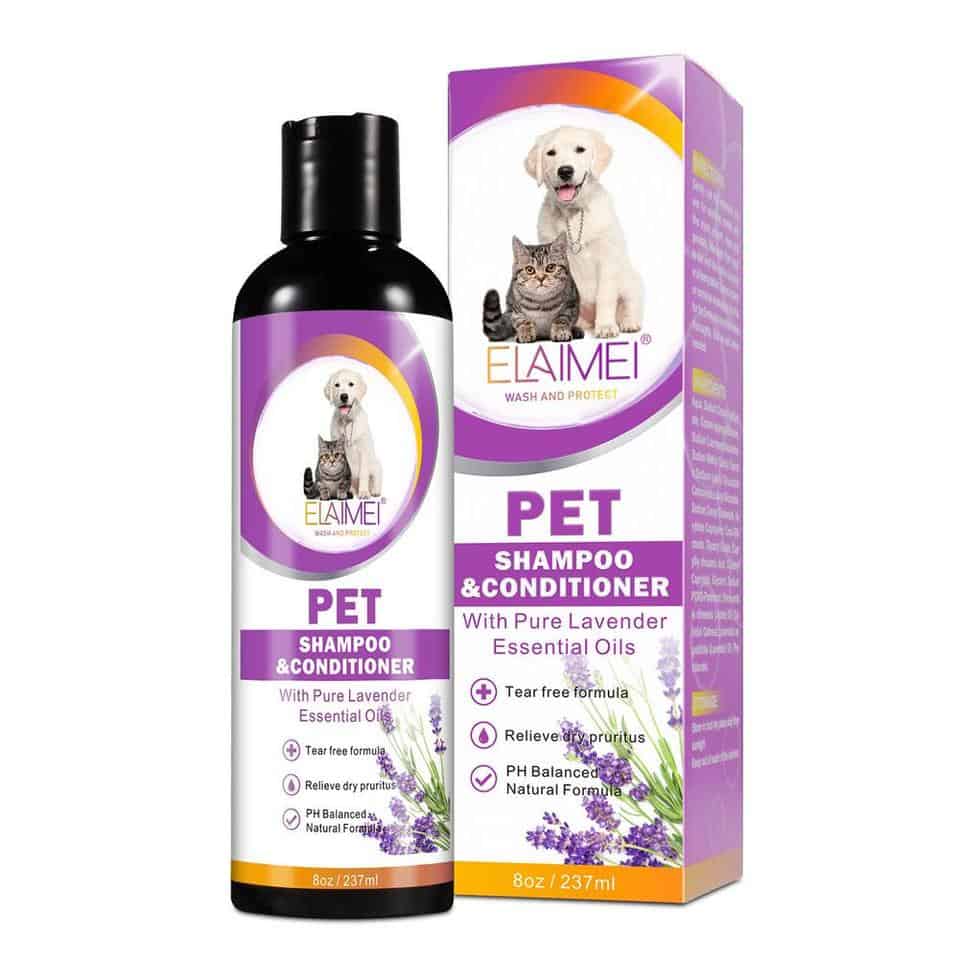
For bathing allergy-prone and dry skin in Yorkies, the Yorkie Shampoo and conditioner can be a great choice. It features a lavender oil and it’s free of parabens, sulfates, and other irritants. It’s gentle for their skin and can be used both on puppies and senior pooches.
Supplements and Diet
Omega-3 (from fish oil or flaxseed) have anti-inflammatory benefits and can improve skin quality. Many vets recommend adding salmon oil or a skin health supplement. A balanced diet with zinc, vitamins A/E (under vet guidance) can also support healing skin. In alopecia X cases (not common in Yorkies), melatonin therapy has helped regrow hair in some dogs, though this is more experimental. Feed high-quality food and consider trials of limited-ingredient or hydrolyzed diets if food allergy is suspected.
Reduce Friction and Sun
Loose or well-padded collars and harnesses prevent rubbing. Take off or change equipment when indoors. If some patches are hairless (especially after clipping), keep them out of direct sun or use doggy sunscreen to avoid tanning/irritation. If your Yorkie is overweight, work with your vet on safe weight loss to reduce skin fold areas.
Be Patient
Skin color change takes time. Even after you fix the problem, pigmentation can take months to fade. In some chronic cases the skin may never look exactly as it did before. So keep treating gently – your dog isn’t “broken”, it’s just scarred from old injuries.
No Magic Pill: There’s no quick fix for primary genetic cases. If it’s truly acanthosis nigricans (rare in Yorkies) or chronic alopecia, the goal is to manage symptoms. Neutering may be recommended if hormone driven. Melatonin, hormonal therapy or medicated dyes (iron oxide creams) may be discussed for cosmetic purposes.
Follow Up
Regular vet check-ups are a good idea. Monitor for secondary infections (yeast can pigmented patches if left). If you’re using topicals, note any hair regrowth. Improvement is slow so monthly photo comparisons can help.
Regular Grooming
Regular grooming is essential for maintaining your Yorkie’s skin health. Brushing their coat helps remove dead hair and skin cells, preventing matting and reducing the risk of infections. Grooming also allows you to monitor your Yorkie’s skin condition and catch any issues early. If your Yorkie’s skin is painful in touch, then you should stop using a Yorkie brush with metal pins. Instead, you can try with a silicone glove.
Our Yorkie Grooming Wipes are perfect pick for the blooming season because they remove environmental allergens from your dog’s skin. They are disposable and feature a refreshing scent. Therefore, they can be a good pick for refreshing their coats between baths and after swimming. Since the so-called ”wet dog smell” is not thrilling for anyone, with these wipes, your dog will get a refreshing touch.
Frequently Asked Questions
Q: Is this “Yorkie black skin disease” contagious or dangerous?
A: Not contagious at all. It’s just your dog’s own skin pigment. Usually it’s not dangerous by itself – more of a cosmetic issue. However, it can indicate underlying disease. If your Yorkie has only discolored patches but is otherwise normal (eating, active, not itchy), that’s reassuring. But if you see other problems (itchiness, weight gain, excessive drinking, lethargy), it’s best to have the vet investigate those. Most causes (allergies, yeast, hypothyroid) are manageable. Rarely, dark patches could come from something serious like Cushing’s or cancer, but vets will rule those out with simple tests.
Q: Will the black skin ever go back to pink?
A: It might, but slowly. If it’s due to a minor issue (like a single healed hot spot or injury), the skin could lighten once healed – sometimes over several months. If it was due to chronic allergies, you may have to keep treating allergies forever, and the skin may stay a bit dark even when controlled. Primary issues (genetic) are permanent in terms of pigmentation, though good care can soften them. The important part is making your Yorkie comfortable and controlling itch or infection – the color itself is secondary.
Q: Is there any home remedy to remove the dark spots?
A: Not really an overnight home cure, sorry! The best you can do at home is support your dog’s skin health: gentle bathing with recommended medicated shampoos, applying veterinarian-approved creams, and keeping the areas clean and dry. Coconut oil or oatmeal baths can soothe irritated skin, but they won’t magically erase pigment. Supplements (fish oil, vitamin E, or zinc if deficient) might help overall skin quality. Remember, if an underlying allergy or infection is left untreated, home “remedies” won’t fix it – they might only mask itch temporarily. So use DIY treatments as adjuncts, not standalone fixes.
Q: My Yorkie has hairless and dark patches on the skin – what is that?
A: When Yorkies lose hair on an area (for any reason), the exposed skin often darkens. This could happen after a bad hot-spot, or as part of an alopecia condition. In Yorkies and their close cousins (like Maltese/Yorkie “Silkies”), vets sometimes see melanoderma, meaning the skin just becomes pigmented where hair is gone.
Another related condition is color dilution alopecia (if your Yorkie has a “blue” coat), where the fur thins and the skin darkens. It’s not dangerous, but it can indicate a gene that causes patchy hair loss. A vet can usually tell if this is the cause by examining the hair and skin. The approach is similar – treat any infections, keep skin clean, and manage any itch, but the hairless patches themselves may not regrow completely.
Q: What should I do right now if I see black spots?
A: First, do a quick check: Are the spots crusty, oozing, or making your dog lick/scratch a lot? If yes, schedule a vet visit soon. If not, you can gently bathe your Yorkie with a mild, dog-safe shampoo (like oatmeal or hypoallergenic) and see if cleaning helps. Note any other signs (itching, odor). Keep the skin folds and affected areas clean and dry. Monitor over a week; if it seems to worsen or spread, call your vet. In any case, bring it up at your next appointment – it’s good to rule out things like thyroid issues or infections early.
Q: Is there a cure or way to prevent it?
A: Preventing secondary hyperpigmentation means controlling the inflammation that causes it. So keep your Yorkie on a good parasite prevention program, feed a high-quality diet, and manage any allergies proactively (year-round flea control and minimizing known allergens at home can help). For genetic cases, there’s no way to prevent the pigment – it’s just how that dog’s skin is. But good lifelong skin care (regular baths, keeping coat dry, trimming excess fur) can keep outbreaks to a minimum.
Yorkie’s Skin Turning Black: Final thoughts
Seeing dark skin patches on your Yorkie can be distressing, but it’s often just a cosmetic skin change. Many times it’s a clue your dog’s skin needs some extra care or medical attention. With patience and the right treatment plan, you can usually clear up any itch or infection and minimize the discoloration. Keep in mind it often takes weeks to months for the skin to lighten after treatment.
If in doubt, don’t hesitate to get a vet opinion. They’ll guide you through diagnosing any allergies or conditions and prescribe treatments (like medicated shampoos or medications) to help your Yorkie feel his best. Hyperpigmentation in dogs is a sign of an underlying issue, most often inflammation. Therefore, when you discover and treat that underlying issue, your Yorkie’s skin will improve. Your Yorkie’s black patches are likely treatable or at least manageable, and with time the skin can look a lot better.