Blog
Yorkie Teeth Problems: Protect Your Yorkie’s Smile With These Tips

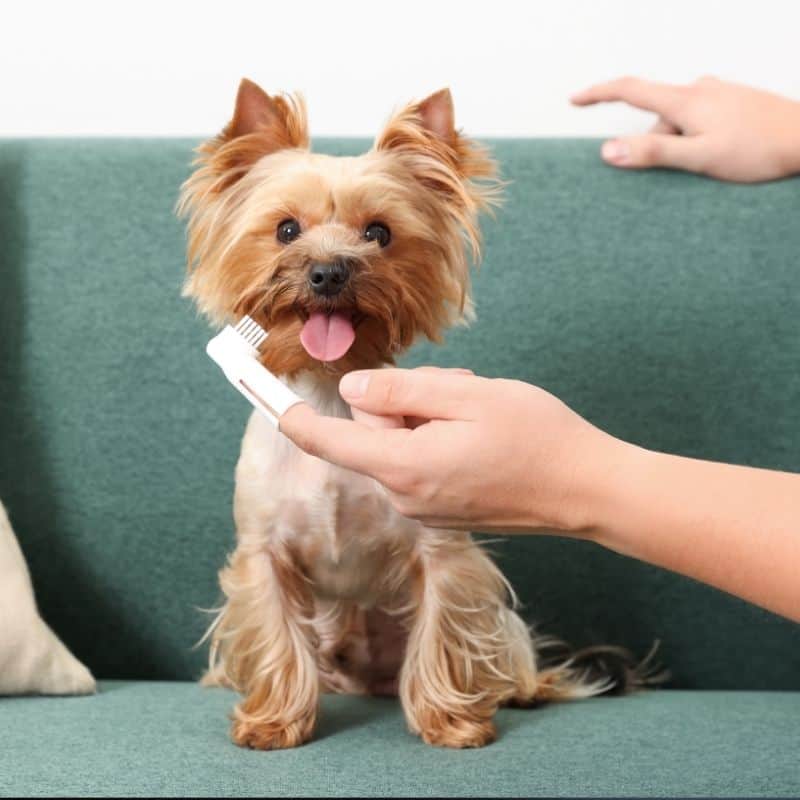
Yorkshire Terriers are adorable little dogs – but they’re also prone to dental woes. Tiny jaws and crowded teeth mean Yorkies tend to get plaque and tartar fast, leading to issues like bad breath and even tooth loss if you’re not careful. In fact, one veterinary study found 98% of Yorkies around 9 months old already had early periodontal disease! That’s nearly every pup. Overall, over 80% of dogs eventually develop dental disease, and Yorkshire Terriers rank among the most affected. In this post we’ll cover common Yorkie teeth problems – from tartar and gingivitis to loose or rotten teeth – and show you how to spot the warning signs. More importantly, we’ll give you practical care tips (daily brushing, toys, treats) and vet-care advice to keep your Yorkie’s smile healthy and pain-free.

Why Yorkies Are Prone to Dental Issues?
Yorkies’ tiny size is part of their charm – but it also means less room in the mouth. Their small jaws often result in overcrowded or misaligned teeth, trapping food and bacteria.
Many small breeds (Yorkies, Chihuahuas, Frenchies, Pugs, etc.) have less jaw bone supporting each tooth, so infections loosen teeth more easily. Genetics also plays a role: improperly formed bite, retained puppy teeth, or congenitally weak tooth enamel can make problems worse. As you can guess, plaque can be only one of the Yorkie teeth problems. Plaque (a sticky film of bacteria) builds up quickly and hardens into tartar, which erodes enamel and irritates gums.
Veterinary research confirms how common this is. In one longitudinal study, 98% of young Yorkies already showed early periodontal disease by 9 months of age. Periodontal disease – inflammation and infection of the tissues around teeth – is the most common dental problem in dogs.
Left unchecked, it not only causes gum and bone loss, but can even weaken the jaw so much that tiny dogs suffer pathologic jaw fractures. In short, Yorkies need extra dental care because their mouths are naturally crowded and prone to plaque.
Common Yorkie Teeth Problems
Yorkies can face a range of mouth issues. Here are the big ones:
1. Plaque and Tartar Buildup
Plaque is that sticky film of food debris and bacteria that forms on teeth after eating. If you don’t remove it by brushing, it mineralizes into hard, yellow-brown tartar.
Yorkies are “particularly prone to rapid tartar buildup” because of their small mouths. Tartar not only looks icky, but it forms a shield that lets bacteria fester at the gum line, leading to gum irritation.

2. Gingivitis and Periodontal (Gum) Disease
When plaque irritates the gums, they become red, swollen, and may bleed. This is gingivitis, an early stage of gum disease. If it progresses into periodontitis, the infection attacks the tooth roots and jawbone.
Periodontal disease can destroy the tissues that hold teeth in place, causing loose, painful teeth. One source warns that tooth loss is often “the inevitable result of dental neglect”. In severe cases, periodontal bacteria can enter the bloodstream and harm other organs.
3. Bad Breath (Halitosis)
Persistent “doggy breath” is not normal – it’s often the first sign of dental trouble. Bad breath usually means there’s decaying food, plaque and bacteria rotting in the mouth. Vets say halitosis is a classic red flag for gum disease
If you ever catch yourself thinking, “my Yorkie’s teeth are rotten”, it likely means harmful tartar and infection have taken hold. This is one of the most common Yorkie teeth problems that occur in adults and seniors.

4. Loose or Missing Teeth (Early Tooth Loss)
Because Yorkie teeth are small and delicate, they can fall out earlier than in larger dogs. Many Yorkie owners are surprised when their dog loses a baby or even a permanent tooth by age 2 or 3.
This tooth loss is usually due to advanced periodontal disease. As one source notes, a Yorkie’s teeth often start to fall out “earlier than those of larger breeds” if hygiene is poor. Save any loose tooth you find and mention it to your vet – it’s a sign that the supporting bone and gums have been compromised.
5. Tooth Decay and Rot
True cavities (like in human teeth) are actually rare in dogs, but dental decay can happen from severe tartar and bacterial infection. You might see dark discoloration or holes in the tooth. In Yorkies, chronic tartar can cause the enamel to erode and roots to abscess. If your Yorkie starts dropping chunks of food or avoids chewing even soft treats, check for damaged teeth. In extreme cases, tooth infections can even cause facial swelling or a foul discharge, which requires immediate vet attention.
6. Retained Baby Teeth
Sometimes Yorkie puppies don’t lose all their “milk” teeth on schedule. Retained baby teeth create extra crowding and pockets for plaque. If a puppy still has tiny teeth when adult teeth are coming in, the extra teeth may need to be extracted by a vet. Otherwise, they can push adult teeth out of alignment, causing more Yorkie teeth problems later.
7. Broken Teeth or Jaw Injury
Yorkies can break or chip teeth if they chew on very hard objects (like cooked bones or heavy chew toys) or if they fall/jump awkwardly. A broken tooth exposes the inner pulp to bacteria and often needs a vet fix. Also, weakened jawbones from periodontal disease make small dogs susceptible to jaw fractures under stress. Avoid giving brittle bones and watch for any sign of pain when your Yorkie plays roughly.
Signs Your Yorkie Needs Dental Attention
How do you know if your Yorkie has a dental problem? Watch your pup and nose:
- Foul, Persistent Breath: If your Yorkie’s breath is consistently bad (beyond the normal “wet dog” smell), that’s a major clue. Chronic halitosis almost always means dental disease.
- Discolored Teeth or Visible Tartar: Take a peek at those tiny chompers. Yellow or brown crust on the teeth (especially near the gums) means plaque has turned to tartar. Any buildup or obvious decay means it’s time for a cleaning.
- Red, Swollen, or Bleeding Gums: Healthy gums should be pink and tight to the tooth. Look for gums that are bright red, puffy, or that bleed easily if you gently lift them or brush. Bleeding gums and redness are telltale signs of gingivitis.
- Loose, Broken, or Missing Teeth: Gently feel your Yorkie’s teeth with your finger or a gauze. Wiggle them: any movement is bad news. Dogs’ teeth should be firmly anchored. If you find a missing tooth (especially if it’s a permanent tooth that you saved from their bite), note it. Periodontal disease is often the culprit. One Yorkie care guide warns that untreated issues lead to loose and lost teeth.
- Trouble Eating or Dropping Food: If your Yorkie suddenly spits out hard kibble, chews on one side of the mouth, or seems to ignore treats they used to love, dental pain may be the cause. Watch for dropping food, eating more slowly, or tugging at one side of the mouth while chewing.
- Excessive Drooling or Pawing at Mouth: Drooling more than usual, or repeatedly pawing or rubbing at the face, can indicate oral discomfort. Bleeding from the mouth (you might notice blood on chew toys or on their chin) is a major warning. Even swelling under the eye or jaw could signal an abscess.
- Behavioral Changes: Like people, dogs in mouth pain might act irritable or withdrawn. If your Yorkie seems crankier, less playful, or reluctant to go for walks (because eating dry kibble is suddenly uncomfortable), consider a dental check.
If you notice any of these signs, it’s worth taking a closer look or talking to your vet. Dental disease is painful, but it often progresses quietly, so staying vigilant is key.

Preventive Care: Keeping Yorkie Teeth Clean
Good dental habits can prevent most of the above problems. Here are the must-do routines for any Yorkie owner:
1. Daily Brushing
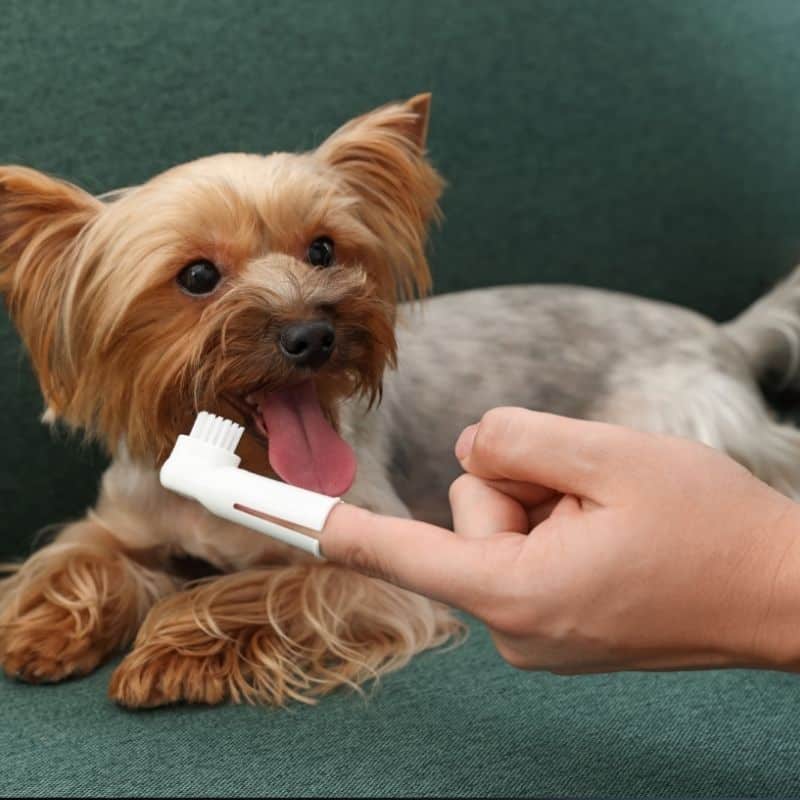
This is the most effective defense. Use a small dog toothbrush or finger brush with canine toothpaste (never use human toothpaste). Canine toothpaste is non-foaming and fluoride-free, so if your pup swallows some it’s safe. Aim for a few minutes of brushing every day, scrubbing all surfaces (especially the gum line) as recommended by Yorkie health guides. If your Yorkie fights it at first, start with very short sessions and lots of praise. Even a quick daily swipe can knock back plaque. Working up to 3–4 minutes of brushing, holding the brush at a downward angle toward the gums. Dental brushing should ideally be as routine as ear cleaning or nail trims for these little dogs.
If you’re not sure what dog toothpaste to use on your Yorkie, then you need to check the following one. Click on the image for more information:

2. Veterinary Dental Exams
Don’t skip the pro check-up. Yorkies should have their mouths examined by a vet at least once a year. During the exam, the vet will look for tartar, loose teeth, or any sores. If needed, they may recommend a professional dental cleaning under anesthesia (a “full dental”), where every tooth is scaled and polished. After a cleaning, your vet will likely stress at-home care to prevent the same buildup from returning.
3. Dental Wipes & Sprays
If toothbrushing is really a struggle, dental wipes are a handy supplement. They look like moist towelettes you gently swipe along the teeth and gums. Wipes won’t replace brushing, but they can help reduce plaque as part of a routine. Similarly, dog-safe dental sprays or water additives can supplement brushing. Many contain enzymes or mild antibacterial ingredients that help neutralize plaque bacteria. For example, a minty spray can freshen breath while you’re working on the mouth. Keep in mind, sprays and water additives are not a substitute for brushing, but they add a bit of extra protection.
4. Chew Toys and Dental Treats
Encourage safe chewing! Chew toys are a fun way for Yorkies to naturally scrape away some plaque with their teeth. Look for high-quality, durable toys designed for small dogs: rope toys (like a Carrot Rope Yorkie Toy for teething pups), rubber balls (the Crazy Rubber Yorkie Ball with an unpredictable bounce), or sturdy plush toys that Yorkies can gnaw. (Avoid toys that are too hard – you don’t want to break those tiny teeth.) Our Yorkie toy collection includes a variety of chew-friendly toys tailored for little mouths.
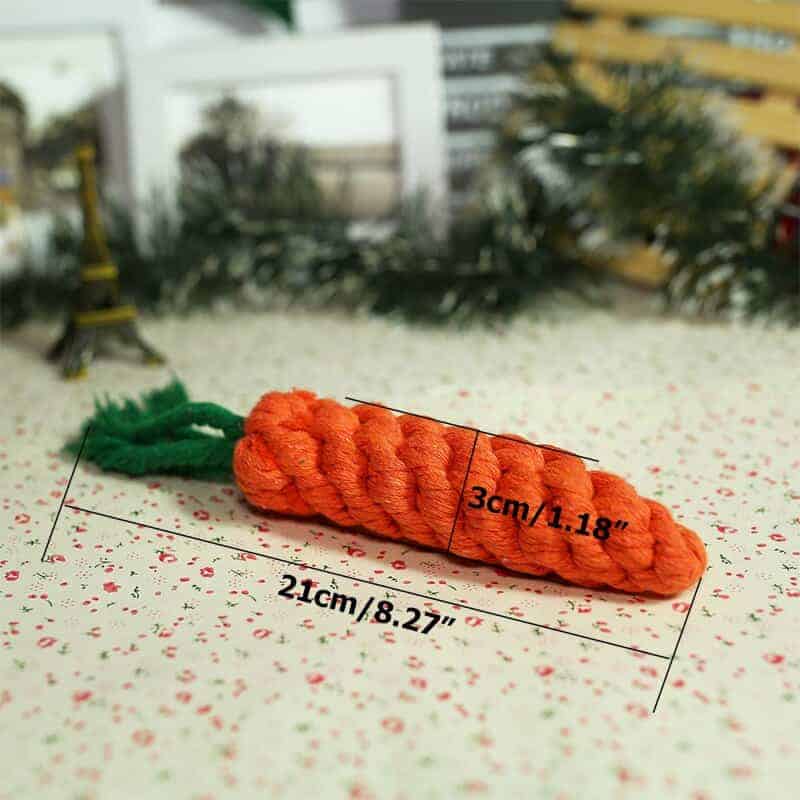
Dental chews and treats are also great. Many vets recommend VOHC-approved treats (VOHC is the Veterinary Oral Health Council) which have been proven to reduce tartar. Some brands have enzyme action or texture to clean teeth as dogs chew. Always supervise your Yorkie with treats and choose the toy or chew size that’s right for a Yorkie.
5. Water Additives & Diet
Adding an enzymatic water additive (dropped into your dog’s water bowl) can inhibit plaque-causing bacteria. There are products (ask your vet) that contain ingredients like chlorhexidine or natural enzymes. For diet, crunchy kibble is better than soft food at reducing buildup. Some pet foods are formulated for dental health – they have larger kibble or coating that scrapes teeth. However, diet alone isn’t enough, so don’t skip brushing just because your Yorkie eats a “dental diet.”
6. Regular Checks at Home
Get in the habit of peeking in your Yorkie’s mouth every week or so. Lift the lips and look at each tooth and the gums. Early detection is everything. If you see anything unusual (gums receding, dark teeth, swelling), act fast.
Consistency matters more than perfection. Even just a couple of these steps can dramatically improve your Yorkie’s oral health. A quick recap: brush daily, check with your vet yearly (or more often if needed), and give safe chews. With practice, home dental care will become just another part of your routine – like ear cleaning orgrooming.
Product Recommendations To Prevent Yorkie Teeth Problems
Here are some specific products and tools Yorkie owners swear by:
1. Toothbrush & Toothpaste Kit
A small toothbrush or finger brush is essential. Some kits come with a gentle, dog-safe toothpaste and two brush types. The “puppy” size toothbrush in that kit is actually perfect for Yorkies of all ages. The toothpaste is usually poultry or beef-flavored (dogs love it!) and non-foaming. If you need a recommendation, look for a kit that is scaled for small dogs.
2. Dental Wipes
For in-between brushing or as a backup, dental wipes can be very useful. You should simply wrap the wipe around your finger and rub it on the teeth and gums. They won’t replace brushing, but can help at least remove some plaque daily when you’re in a hurry.
3. Dental Chews
Crunchy, chewy dental treats are both tasty and useful. Always pick a treat labeled “small dog” or “toy breed” for Yorkies to avoid choking hazards.
4. Chew Toys
Playtime is dental time! Durable Yorkie toys like rubber balls, rope bones, and interactive chewers can massage the gums and clean teeth. For example, the Crazy Rubber Yorkie Ball is a tough little ball that bounces unpredictably – it’s a favorite for chasing and chewing. Another hit is the Interactive Yorkie Pal Toy, which Yorkies can cuddle and chew. Check out our Yorkie toy collection for specially selected toys that Yorkie owners love.

5. Water Additive or Oral Rinse
Water additives contain enzymes or antibacterial agents that help inhibit plaque. Alternatively, rinsing your Yorkie’s mouth with a pet-safe antiseptic rinse can help manage bacteria after meals. These are handy tools, but remember: they’re supplements, not substitutes for brushing.
Whatever products you choose, always use them as directed and under your vet’s guidance. These tools make dental care easier, but the home routine (brushing) and vet checkups are still the foundation.
When to See the Vet in Case of Yorkie Teeth Problems
Even with the best home care, Yorkies will eventually need professional attention if disease develops. Regular vet visits are important.
Here’s when to book that vet appointment:
- Visible Tartar or Gum Disease: If you see brown tartar covering most of a tooth, or gums that are red and receding, it’s time. The vet may recommend a professional cleaning (under anesthesia) to remove the buildup above and below the gumline.
- Loose or Abscessed Teeth: Should you find a loose tooth or a tooth with an abscess (a swelling or pus at the base), take action immediately. These conditions are painful and can allow infection into the bloodstream.
- Broken Tooth: A broken or cracked tooth exposed into the nerve can be extremely painful and is prone to infection. A vet can extract or repair it.
- Ongoing Bad Breath or Pain: If your Yorkie’s breath is worsening despite home care, or if they show signs of mouth pain (refusing food, whining), err on the side of caution and get a checkup.
- General Checkup: Some vets advocate yearly dental exams for all dogs, and twice a year for breeds prone to problems (like Yorkies). During a checkup, the vet may take dental X-rays to see what’s happening under the gums – often the silent zone. Untreated gum disease can silently erode jaw bone, so a vet exam can catch problems early.
Remember: pain is often underplayed by dogs. Just because your Yorkie isn’t barking or showing obvious signs doesn’t mean they’re pain-free. Flinching, losing interest in toys, or even subtle behavior changes can indicate oral pain.
Prompt veterinary care can save teeth and prevent wider yorkie teeth problems. Poor oral health in dogs has been linked to heart, liver, and kidney disease, so keeping the mouth clean is good for your pet’s whole body, not just their breath.
Dealing With Yorkie Teeth Problems: Wrapping Up
Caring for your Yorkie’s teeth might feel daunting, but it’s absolutely worth it. Yorkie teeth problems – yellow teeth, bad breath, broken or missing teeth – can sneak up on you if you’re not paying attention.
The good news is that most of these issues are preventable with a little routine. By brushing regularly, giving the right chew toys and treats, and staying on top of vet visits, you can keep plaque and infection at bay. If you do notice any sign of decay, don’t wait: a vet visit can treat the problem before it causes pain or systemic illness.
Your Yorkie depends on you for dental care (they certainly won’t floss on their own!). Start a daily brushing habit, provide safe chew toys from our toy collection, and try out pet-safe dental treats. As one guide puts it, good oral hygiene is essential “for their dental health but also for their overall well-being”.
For more Yorkie care tips, check out our Yorkie Care Guide and our blog post on the best Yorkie toys to keep your pup happy and healthy. With consistent care, you’ll help ensure your little Yorkie enjoys a lifetime of bright smiles.